
[Article] Connecting Through Compassionate Curiosity
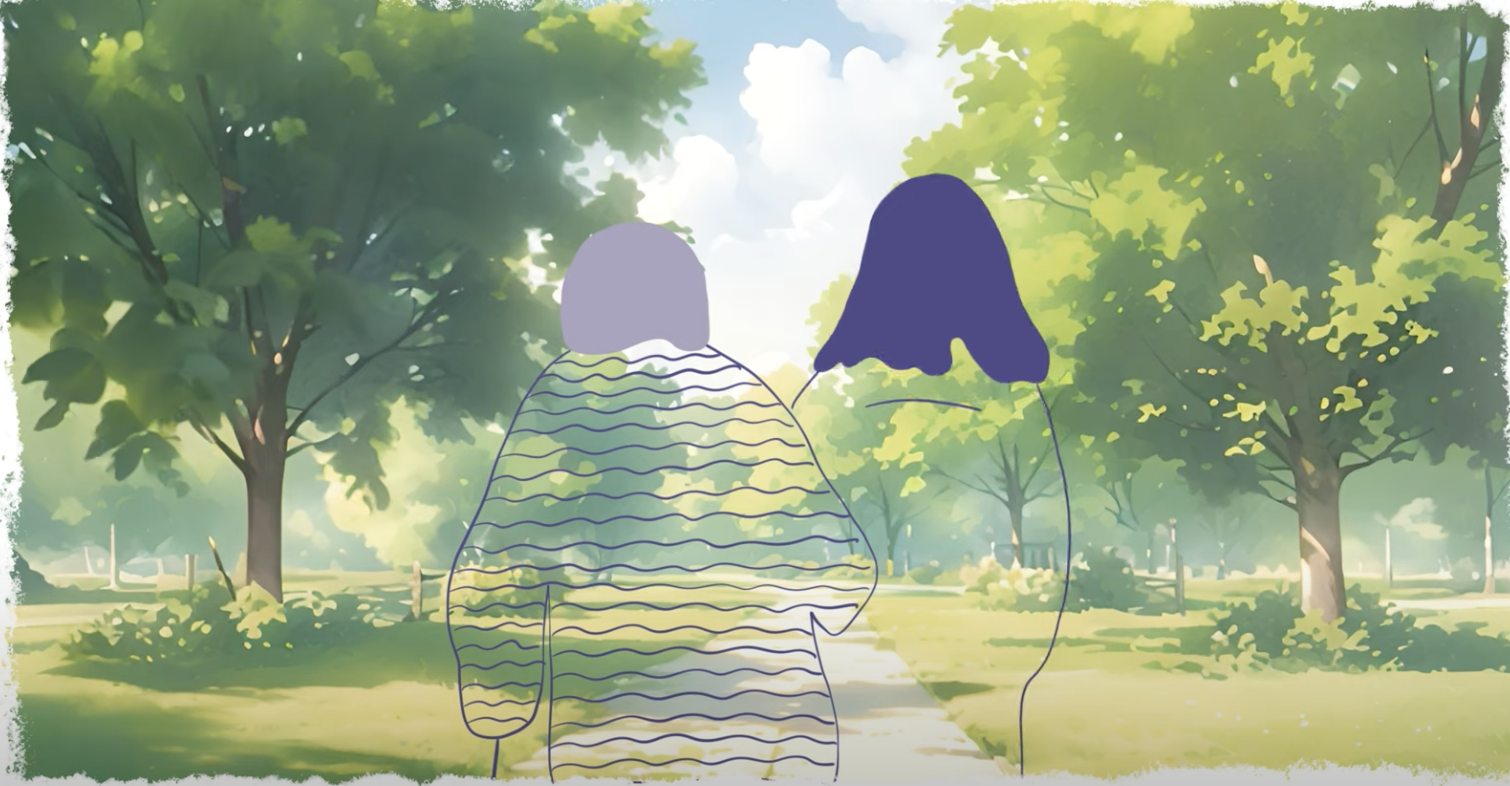
As 2026 is the International Year of the Volunteer, we’ve prepared this special series to celebrate Nav-CARE volunteers across the country who so generously give their time to support persons in their community navigating complex and declining health. They are the backbone of social support bolstering relationships, wellbeing, and a collective sense of belonging.
When someone is navigating complex or declining health, what they often need most isn’t more information or unsolicited advice—it’s connection. Having someone willing to sit with them and listen, to see them as they are, bolsters feelings of hope and validation. In “helping” professions across Canada, volunteers play a foundational role in offering exactly that. There’s always a need for more attention, more engagement, and more care. And as one volunteer said, “there’s not enough money in the world to support that kind of connecting with people.”
As part of this celebration series, we set out to better understand what qualities volunteers have—and what practices they draw on—that make them effective in their roles. Time and again, one idea continued to surface: compassionate curiosity.
For those working one-on-one with individuals experiencing chronic or declining health, daily life can be filled with barriers. The people they support can be in physical pain, or emotional distress, and are often experiencing the social isolation that comes with no longer being able to participate in shared activities they once enjoyed.
Volunteers who take the time to get curious about why someone responds to their circumstances a certain way offer something fundamentally different than those who focus only on managing behaviour. This kind of curiosity centres the whole person—their story, experiences, and even the traumas that may have shaped them—at the core of everything. It doesn’t reduce them to a condition or a series of behaviours.
Compassionate curiosity invites volunteers to step into another person’s experience and consider how they might be feeling, and what they might need most. This agenda-free openness builds trust and creates a sense of safety. Shoulders soften. Breathing slows. And with protective “fences” lowered, there’s space for hope, authenticity, and a renewed sense of resilience. Compassionate curiosity isn’t passive. It’s a skill that must be intentionally practiced and strengthened over time.
“It’s about supporting each other and being there for each other,” said one volunteer who works both with the Nav-CARE program and in hospice care. “That’s where you make those connections; that’s how your community grows and thrives. And it not only helps the people who need the services, it helps you too. The relationship you build—the feeling of making a difference—it’s priceless.”
In this way, compassionate curiosity becomes a powerful force, strengthening not just individuals, but entire communities. Because the safer we feel to be our authentic selves, the more willing we are to put ourselves and our goals out there, lift one another up, build new programs and initiatives, fortify communities of support.
Compassionate curiosity doesn’t only extend outward either—it can be a journey of inward reflection. Many volunteers described becoming curious about how their own life experiences, skills, and training could serve others in meaningful ways. Those experiences are what led them to volunteer in the first place.
One woman, for example, brought years of experience in RCMP victim services to her role. “Nobody dealing with the police is having a good day,” she explained. “You have to learn to deal with the difficult, the upset, and the grieving. And my training from that has come in very handy in this new role.”
After moving to a new community, she sought connection through volunteering in hospice care. When she later became involved with Nav-CARE, something shifted. She realized that while she was supporting others through grief, she, too, would be touched by it.
“With Nav-CARE, you build a relationship with someone who at some point is going to leave,” she said.
She was used to coming into hospice and working with a person for a very short time before they passed. But this longer-term relationship carried different weight.
“End-of-life volunteerism works differently. You’re not getting connected in that way. You’re supporting, you’re there for them, but it’s quick—you’re in and out.”
In Nav-CARE, the connection deepens. It becomes a friendship of sorts—one grounded in presence and trust. It’s deeply meaningful work, and it comes with an emotional cost. When someone you’ve walked alongside is gone, their absence is felt.
“Be prepared to make a friend and a connection,” she said.
At its core, compassionate curiosity is about choosing to meet one another with openness instead of assumption, and presence instead of urgency. It reminds us that care is not something we deliver—it’s something we cultivate, moment by moment, in relationship. Whether volunteering with Nav-CARE, delivering meals for another organization, or simply sitting beside someone who needs companionship and warmly offering them support, it’s an essential life skill. And in a world where isolation can so easily take hold, that matters deeply. Through the quiet, consistent work of volunteers showing up, listening deeply, and staying curious, stronger, more resilient communities are built.
Stay tuned for our next piece in this series about how volunteers contribute to resilient communities. It’s coming out soon!
-
Date
May 12, 2026
-
By
Compassionate Dementia-Inclusive Communities (CDIC) Project
Newsletter
Sign up for the Healthy Aging CORE BC newsletter to keep up-to-date with activity from the platform and the Community-Based Seniors Services (CBSS) sector across BC and Canada.