
[Impact Story] Holding People in the Space They’re In
As 2026 is the International Year of the Volunteer, we’ve prepared this special series to celebrate Nav-CARE volunteers across the country who so generously give their time to support persons in their community navigating complex and declining health. They are the backbone of social support bolstering relationships, wellbeing, and a collective sense of belonging.
In communities across the country, an important shift has taken place in how we understand care and connection. While volunteerism used to be all about doing for others, it’s evolved towards a model of being with them instead. Holding space for someone to make sense of their own experience, bearing witness to their story without judgment affirms a person’s truth. It lets them know they’re safe, supported, and not alone with the challenges they face.
Age Friendly Cold Lake, a non-profit organization based in the Northern Alberta town of roughly 15,000, is a great example of this trend in action. Each individual volunteer who works with this organization cares deeply not only about supporting people on their health journeys, but about how they approach the job and how their efforts are received. We wanted to highlight a few of these incredible people, and explore why the support they offer is so effective and touching.
One volunteer spends hours each week driving community members from the small remote city to larger centres for medical appointments. Some trips can take three to four hours each way, making the task potentially overwhelming and even impossible for some. But with a volunteer driver who doubles as a companion, something shifts. Sitting side by side in a car for hours creates a rare kind of space where conversation unfolds organically. Some passengers, heading to appointments filled with potentially scary unknowns, carry fear about what they might learn. Others navigate ongoing care, which can still be heavy and filled with grief. In both cases, this volunteer offers a steady presence. She’s open to conversation but takes her cues from the person she’s driving. She’s not there to offer solutions. She’s a steady, supportive companion who can stop whenever a stop is needed, attend a medical appointment to take notes, or simply wait in the car, ready to soften the emotional weight of whatever a client might come back out to the vehicle carrying. “I’ve always had this thing about wanting to make a difference,” she said, “and I’ve been surprised at what a huge difference I can make as a driver. I guess in some ways I’m trying to do what I wish I was able to do for my mom before she died,” she said, explaining that at the time she didn’t know her mom was sick.
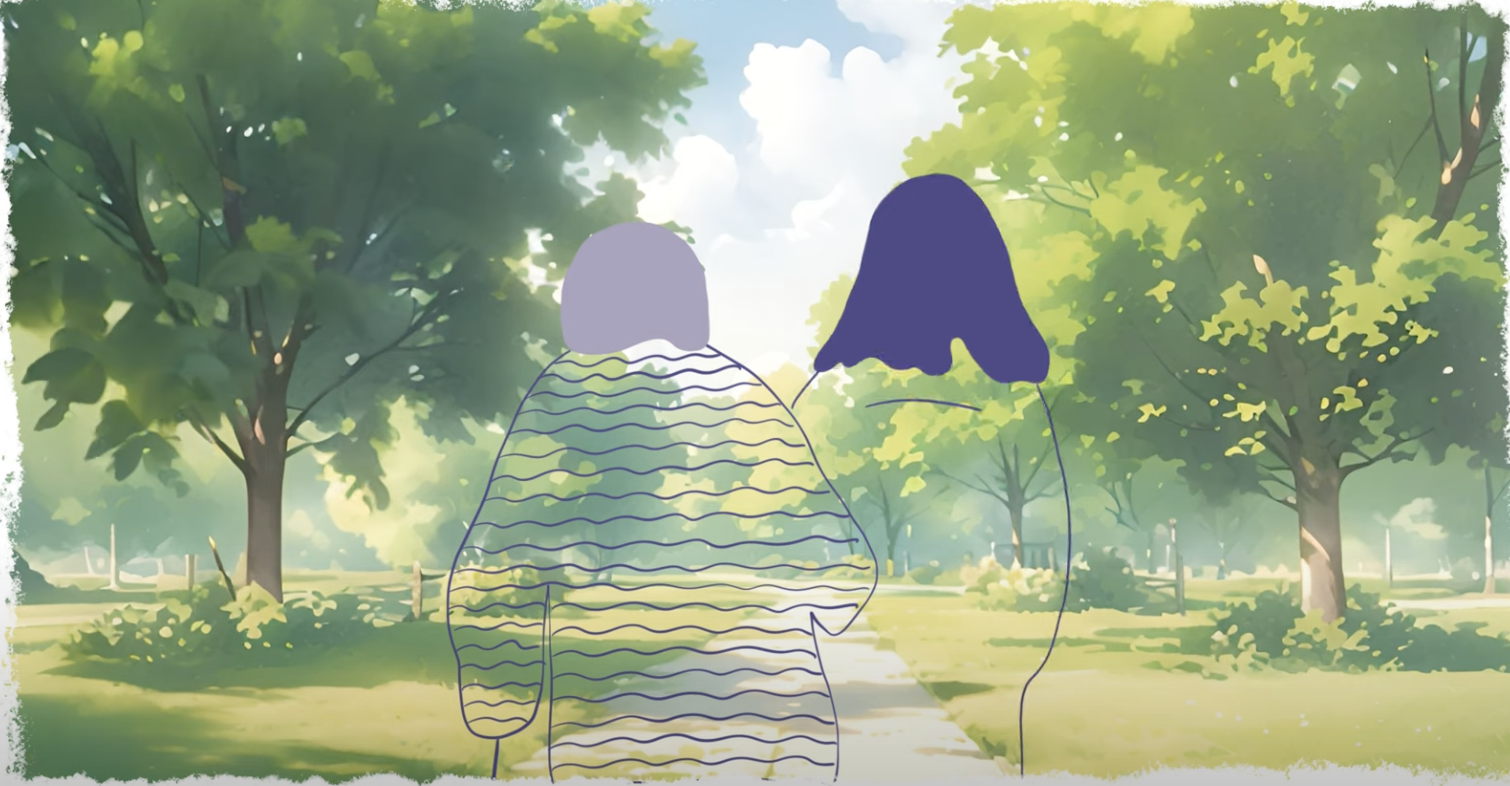
This is what it means to walk alongside someone.
That same spirit shows up in a different yet equally moving way through another Age Friendly Cold Lake volunteer working with people living with dementia. Having lost a loved one during COVID who he wasn’t allowed to visit due to lockdown protocols, this volunteer felt a strong pull to ensure others could experience dignity, connection, and love at the end of their lives. He finds the role deeply meaningful, and learns so much from the people with whom he spends time.
While dementia can affect memory and cognition, he has noticed that moments of clarity still emerge in unexpected ways. A person might suddenly share a vivid recollection from their past, revealing their personality and spirit with striking lucidity. By meeting people exactly where they are, and listening without judgment, the volunteer creates the conditions for those stories to surface. Even when a story comes in fragmented threads, he treats those threads with care, gathers them, honours them, and helps weave them into something whole.
His volunteer work has taught him that presence isn’t passive. It includes holding compassion alongside clarity. He works with one man, for example, who can be difficult to engage with at times, so much so that others have stepped away. But instead of withdrawing, this volunteer chooses to get curious about the man. “He’s just developed a lot of anxieties and ways to try and maintain autonomy that might come off as rude, but it’s not rude. It’s just his way of saying please don’t leave me.” The very behaviour that pushed people away is rooted in a fear of abandonment. Understanding this allowed the volunteer to respond differently—not by tolerating everything, but by setting respectful boundaries that protected both himself and his client and helped him remain present in the moment. “It’s about tuning in to what and who you are, and using that to help and serve others,” he said.
Through this work, reflecting on his own experiences of grief and what’s resonated for him, he has really come to understand something deeper about himself: volunteering is as much an inward journey as it is an outward act of service. This has deepened his ability to be present with others—to wonder about their histories, preferences, and the lives that shaped them. Because every person is different, and so is every experience of dementia. Knowing even a small piece of someone’s story can open a door in conversation and trust. A woman who insists on learning everyone’s name and helping tidy the space before leaving makes more sense when you learn she was once a teacher, for example. With that understanding, her actions are no longer behaviours to manage, but expressions of who she’s always been—strengths to support rather than redirect.
Volunteerism is not just about meeting needs—it is about holding people in the space they are in, creating a culture where they feel seen, valued, and accompanied, no matter where they are on their voyage.
Whether it’s a long drive to a medical appointment or a quiet game of cribbage in the living room, these acts of companionship carry immense weight. They say, “You’re worthy of love and care. Your story matters. And you are not alone.” And sometimes, that’s exactly what someone needs to keep going.
-
Date
Apr 15, 2026
-
By
Compassionate Dementia-Inclusive Communities (CDIC) Project
Newsletter
Sign up for the Healthy Aging CORE BC newsletter to keep up-to-date with activity from the platform and the Community-Based Seniors Services (CBSS) sector across BC and Canada.