
[Impact Story] Volunteers: Dismantling Stigma, Building Communities of Care
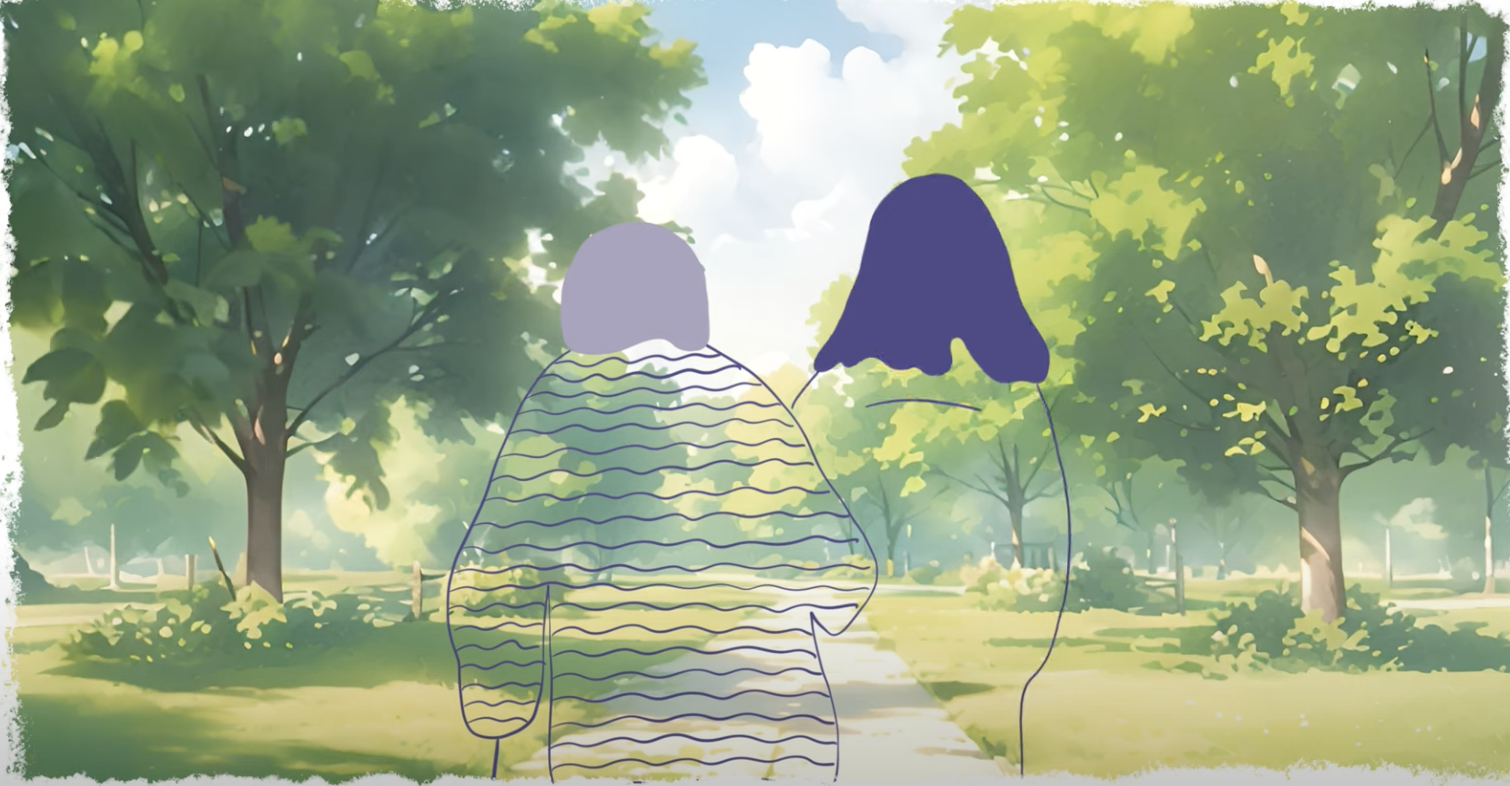
As 2026 is the International Year of the Volunteer, we’ve prepared this special series to celebrate Nav-CARE volunteers across the country who so generously give their time to support persons in their community navigating complex and declining health. They are the backbone of social support bolstering relationships, wellbeing, and a collective sense of belonging.
One of the greatest challenges facing people living with dementia isn't the condition itself—it's the stigma that too often accompanies it. Misunderstandings and stereotypes lead to isolation, exclusion, and negative assumptions, all of which have drastic effects on wellbeing. But volunteers can make a hugely positive difference. They challenge these perceptions through everyday acts of connection, helping build communities where people living with dementia are known, valued, and supported.
By spending time with people with lived experience of dementia, and modelling compassion, curiosity, and genuine engagement, volunteers put a face and a name to a condition many would otherwise avoid. They help dismantle myths, reminding us of all the humanity beyond the diagnosis.
“I think we put a boundary up,” one volunteer explained, “and think, ‘Oh well, they don’t know. Or why would I sit down and talk to them?’” she said. “But they can actually do quite a bit.” Experiencing an acquaintance or loved one with dementia in real time gives you a totally different perspective than if you were just to read up about it in a book or online.
A volunteer’s impact extends well beyond the relationships they build directly, too. Volunteers return home to their families, gather with friends, and spend time with colleagues and neighbours, sharing stories along the way. A funny moment, meaningful conversation, or even an unexpected insight shared can be a powerful form of informal education, replacing fear and assumptions with understanding, empathy, and compassion. “Sometimes I educate in a nice and gentle way,” one volunteer explained. “I don’t blame people [for not knowing]- they don’t understand.” In this way, volunteers become ambassadors for dementia inclusion, helping to shift attitudes one conversation at a time.
One volunteer in Northern Alberta decided to document some of the stories his client told him, as a way of keeping his legacy alive, and educating others, and he found that an eye-opening experience. He and his client would play crib together, and the activity helped his client unfold some of his memories. “All of a sudden he’d tell a very lucid story about how on his farm over Christmas, he and the five kids would take the horse out and go sledding to look for a tree.” The volunteer explained this was a story from over 80 years ago, highlighting the way our humanity endures along the dementia journey, and how we can teach others through stories, anecdotes, and experiences, what we know about it.
Perhaps most importantly, volunteers help create communities of care. Through consistent relationships, they not only support the person living with dementia but also connect them with neighbours, local organizations, and other community members. As these relationships multiply, they form a constellation of care—an interconnected web of people who know one another, look out for one another, and share responsibility for everyone’s well-being and sense of belonging. What begins as support for one individual often grows into something much larger, strengthening social connections for volunteers, families, and the broader community alike.
Reducing stigma doesn't happen through awareness campaigns alone. It happens through relationships. Every conversation, shared laugh, neighbourhood walk, or cup of coffee reminds us dementia is only one part of a person's story. Volunteers help make those moments possible, and in doing so, create communities where people living with dementia are seen not for their diagnosis, but for who they are. They build communities where everyone benefits from a more compassionate, connected way of living together.
This series celebrated the myriad ways volunteers choose to show up for their community and each other. Whether holding space instead of taking over, responding with compassionate curiosity rather than fear and assumption, strengthening the fabric of their communities through meaningful relationships, or dismantling the stigma surrounding dementia through authentic human connection, volunteers remind us that lasting change begins with how we see and treat one another. Their work is not simply about meeting needs; it is about nurturing agency, belonging, and possibility. Volunteers leave behind something far greater than the hours they contribute. They help create communities where everyone is seen, valued, and supported to live well.
-
Date
Jul 14, 2026
-
By
United Way BC
Newsletter
Sign up for the Healthy Aging CORE BC newsletter to keep up-to-date with activity from the platform and the Community-Based Seniors Services (CBSS) sector across BC and Canada.