[Webinar Summary] A Look at How Nav-CARE and the Community Connector Social Prescribing Program Models are Supporting Older Adults Across BC
More and more, research shows just how powerful it can be to tackle social factors like isolation, food and income insecurity, and access to community supports in the lives of older adults. This fall, United Way BC’s Healthy Aging Core hosted a webinar highlighting two inspiring social health programs that are transforming how communities across British Columbia support this demographic:
- Nav-CARE (an acronym for Navigation - Connecting, Advocating, Resourcing, and Engaging), co-developed over fourteen years ago by Dr. Barb Pesut from the University of British Columbia Okanagan with the University of Alberta’s Dr. Wendy Duggleby; and
- The Social Prescribing (community connector) program, being rolled out across BC since 2019/20.
In this webinar, expert panelists outlined the similarities and differences between the two programs, and who they aim to support, as well as sharing real-life stories of older adults who’ve accessed and benefited from them.
Link to Webinar recording
Here’s what listeners learned:
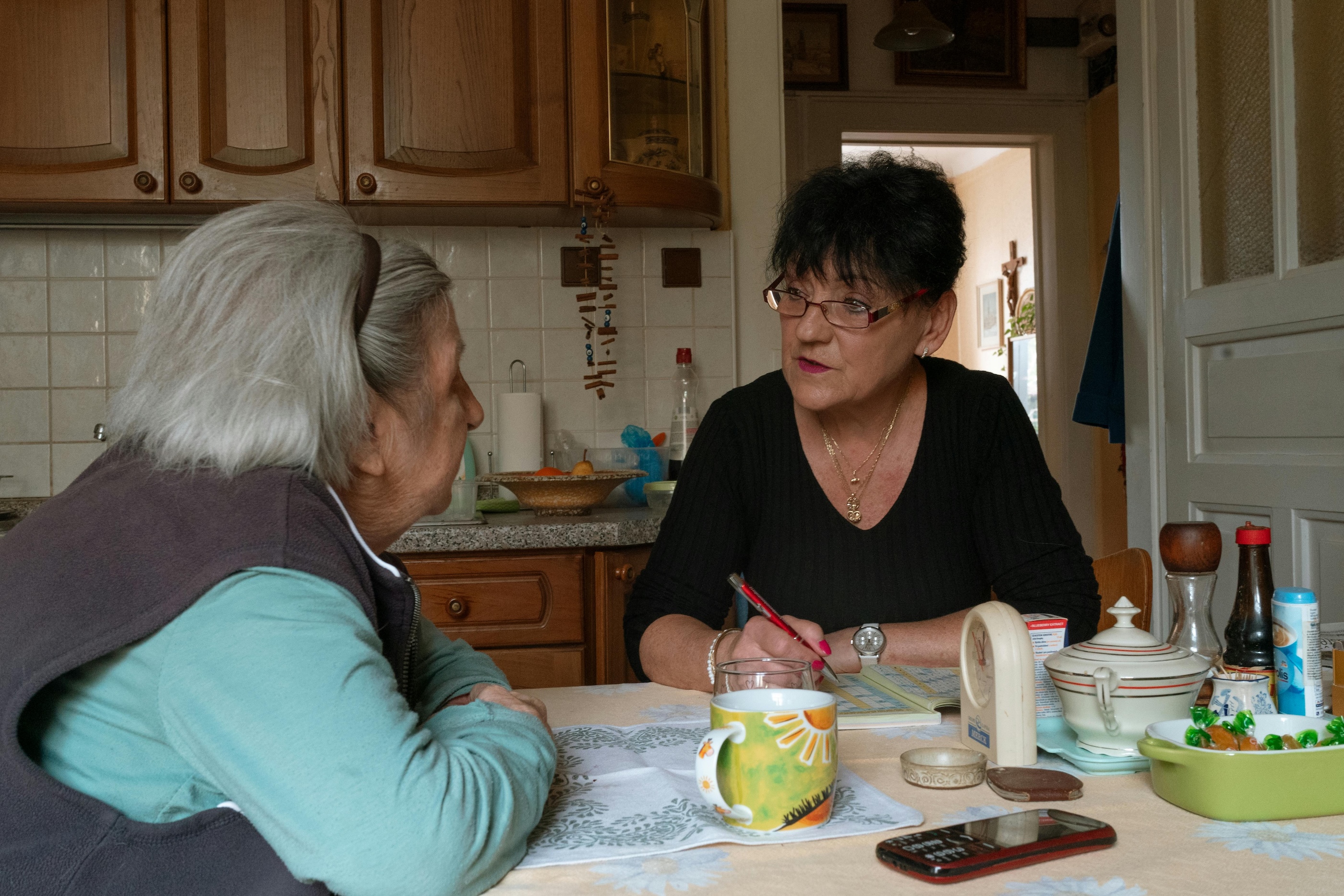
Nav-CARE is an evidence-based program providing experienced, trained, and mentored volunteers to people in community with declining health, and their care partners. The goal: improving their quality of life and enabling them to age in place. This program helps families access resources and services and offers companionship and emotional support to the end of life. They complete a six-hour training and take on no more than one or two community members at a time to ensure continued capacity. Volunteers and community members work together on a long-term basis, sometimes even for years, according to featured panelist Dr. Barb Pesut. Pesut explained, community-based hospice volunteers really were the inspiration for the program’s creation in the first place. “It began with research [we were doing] in rural communities at end of life. And what struck us was that volunteers contributed an amazing amount of care, and were incredibly skilled, but weren’t always being used to scope.” That’s when they pursued funding to create this model.
The Social Prescribing program, on the other hand, has a shorter-term objective focused on improving well-being for vulnerable older adults through coordinating access to community resources. “At the provincial level, the Ministry of Health funds all our healthy aging programs in BC, [including] social prescribing,” said United Way BC’s Health Care Systems and Community Specialist Prab Sandhu, another one of the webinar’s featured panelists. “And it’s a very important one as it bridges the healthcare system with the community, providing consistency throughout the province while still maintaining that flexibility and adaptability to fit each community.” Community connectors are paid staff with a wide range of backgrounds (e.g., gerontology, nursing, social work, etc.) and receive a two and a half hour training specific to the program and typically work with anywhere from ten to forty community members at a time.
Listeners also learned about other important differences between the programs:
While Nav-CARE’s model is volunteer based and managed by a volunteer coordinator who usually works at a host community organization, Community Connectors are paid positions, based in local community-based seniors’ services.
The implementation of these programs also looks a bit different. With Nav-CARE, the volunteer coordinator receives a referral, sets up an initial visit, and matches the referred person with a volunteer they feel is well suited to their needs and interests. The coordinator then makes a joint visit with the community member and volunteer to facilitate a smooth introduction and lay the groundwork for long term relationship building. The volunteer attends regular mentoring sessions with the coordinator to ensure top quality service and support.
With the Social Prescribing program, when the connector receives a referral, they meet with the older adult to identify their needs and goals, then continue to meet regularly with them over the course of about six to eight weeks to connect them to the services they desire and make recommendations for moving forward. At that point, an evaluation is completed, and the older adult can move on, or re-enter the program later if needed. Both programs are free at the point of delivery.
Here are some case study examples of these programs in action:
In addition to Dr. Pesut and Ms. Sandhu, the webinar also featured Yola Switkowski, Community Connector at North Shore Community Resources, and Brella Community Services Society’s Director of Community Services, Nicole Tait, each of whom shared a case study that highlighted the success of these programs in the lives of community members. Switkowski talked about one gentleman for whom she set up reliable transportation and a community rec centre pass among other logistical aids that helped him engage more in community and feel happier overall. Tait offered an example of how their organization worked with a community member using both the community connector model and the Nav-CARE model at once. The social prescribing team connected him to Meals on Wheels for support around improving his daily diet, they pulled in Health Link to ensure medications were being consistently administered, and they contacted Handi Dart because he’d lost his driver’s licence. Then through Nav-CARE, the volunteer helped the same gentleman engage with a local support group for people living with dementia, as well as connecting him to some regular social activities like drop-in coffee groups. They also helped with follow up on things like monitoring his fridge to ensure food products were fresh, going with him on the bus to get him feeling comfortable with the routes, and reaching out to the community connector again later on when they felt he might benefit from being re-enrolled in that shorter term program as well. Overall, the two models worked in tandem to support the man both in short- and long-term capacities – a demonstration of how complementary they really are.
The four guest speakers gave webinar listeners good insight into how these programs operate in community, who they are best suited for, and why they might opt to go with one or the other, either as a community member seeking services, or as a volunteer keen to give back. To listen to this webinar, please visit this link.
-
Date
Oct 15, 2025
-
By
United Way BC Healthy Aging
Newsletter
Sign up for the Healthy Aging CORE BC newsletter to keep up-to-date with activity from the platform and the Community-Based Seniors Services (CBSS) sector across BC and Canada.