
[Recording] Rediscovering Connection: A Practical Framework for Strengthening Social Health in Older Adult Programs
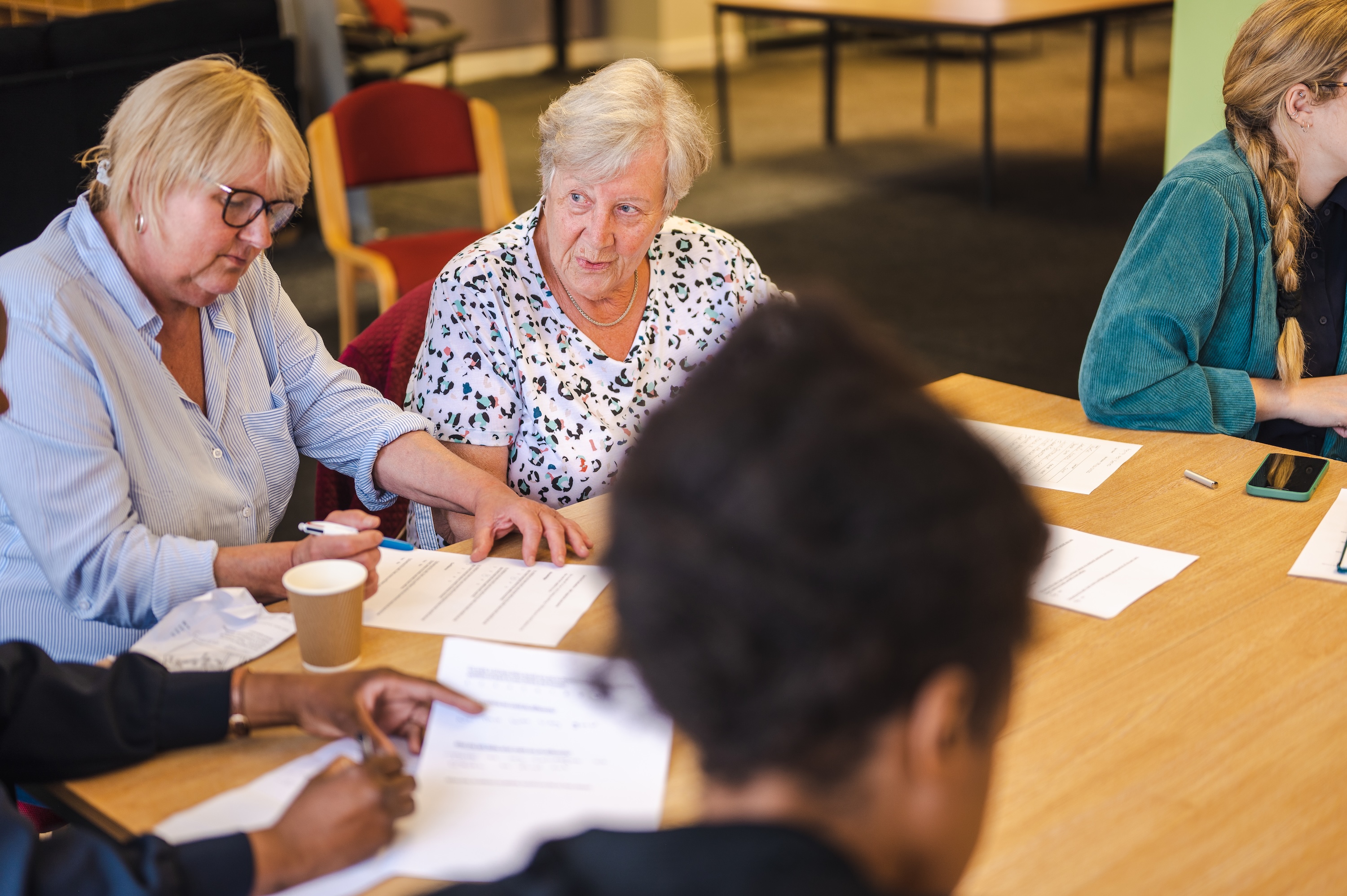
Older adults can participate regularly in programs and still feel unseen, disconnected, or on the margins. When programs focus primarily on delivering activities, they can unintentionally miss opportunities to help people form meaningful relationships and experience a genuine sense of belonging.
This interactive training explores what social health and human connection look like in programs serving older adults. Participants will learn practical ways to design and facilitate programs so people do more than attend—they feel welcomed, recognized, valued, and connected to others.
Using a simple connection-first framework, participants will examine how everyday program moments—from arrival and introductions to group activities and follow-up—can support stronger relationships. The session will provide realistic strategies that staff and volunteer leaders can integrate into existing programs without creating an entirely new service or adding unsustainable demands.
Presenter: Paul Estey (Chieft Strategy and Partnerships Officer, GenWell)
*Recording and presentation slides are available below.
Key topics
- Recognizing the disconnection gap: How older adults can attend regularly while still feeling overlooked, excluded, or disconnected.
- Understanding social health: Clear distinctions among loneliness, social isolation, social connection, and belonging.
- Moving beyond attendance: Why bringing people together is only the first step—and what helps participation develop into relationships.
- Designing for connection: Practical ways to build meaningful interaction into programs before, during, and after activities.
- Facilitating belonging: Approaches staff and volunteer leaders can use to help people feel welcomed, heard, valued, and able to contribute.
- Applying a connection-first lens: A simple framework for strengthening participation, return, contribution, belonging, and ownership.
Learning outcomes
By the end of the training, participants will be able to:
- Recognize signs of disconnection that may be present even when attendance is strong.
- Explain loneliness, social isolation, social connection, and social health using clear, consistent language.
- Identify program-design practices that help older adults build relationships and experience belonging.
- Create intentional opportunities for participants to interact, contribute, and become more involved.
- Apply a connection-first lens to evaluate and strengthen existing programs.
- Support connection in ways that are realistic and sustainable for staff, volunteers, and participants with different needs.
Rediscovering Connection
File Attachments
| 1 |
Rediscover-Connection-Session---GenWell---November-2026---Copy-for-Distribution.pdf
4.7MB
|
-
By
United Way BC
-
Published
Nov 19, 2026
-
Subject Area
- Social Connectedness & Social Isolation
- Health & Wellness - Cognitive & Mental
- Health & Wellness - General
- Best Practices
-
Category
Newsletter
Sign up for the Healthy Aging CORE BC newsletter to keep up-to-date with activity from the platform and the Community-Based Seniors Services (CBSS) sector across BC and Canada.