
[Video] Understanding grief: What older adults and families need to know
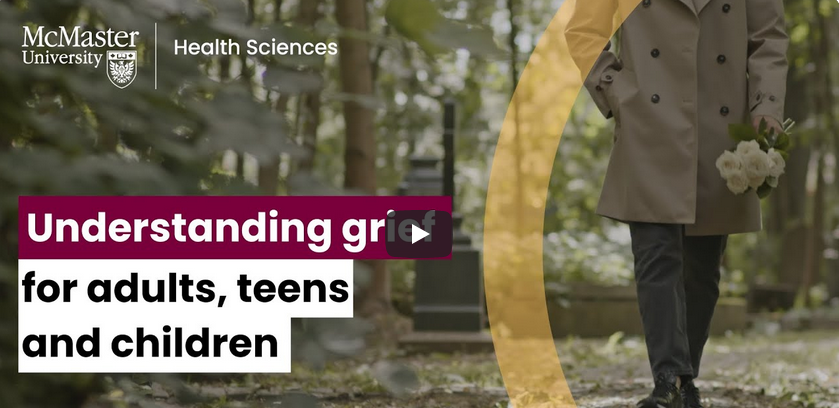
Grief in later life is often layered—shaped by personal loss, changing roles, and sometimes the responsibility of supporting younger family members through loss as well. Older adults may be coping with the death of a partner, sibling, friend, or other loved one, while also helping children, grandchildren, or others in the family navigate grief.
Understanding how grief works, and how it may show up differently across ages and relationships, can help you make sense of your own experience and better support others. In this video, family physician Dr. Erin Gallagher explains grief as a natural but complex response to loss and highlights when additional support may be helpful.
Key Takeaways
- Grief is a natural, non-linear process that changes over time
- Everyone experiences grief differently, shaped by factors such as culture, age, personality, supports, and the nature of the loss
- Older adults may face layered losses while also supporting family members across generations
- Children and teens express grief differently and need tailored support
- Around 1 in 10 bereaved people experience prolonged grief and may benefit from professional support
- Adults can play an important role in modelling healthy coping for children and teens
Understanding grief for adults, teens and children
-
By
McMaster Optimal Aging Portal
-
Published
Apr 30, 2026
-
Subject Area
- Grief & Bereavement
-
Category
Newsletter
Sign up for the Healthy Aging CORE BC newsletter to keep up-to-date with activity from the platform and the Community-Based Seniors Services (CBSS) sector across BC and Canada.